B. Biosphere-Biodiversity
B/1 Institute of Ocean & Earth Sciences (IOES) & National Antartic Research Centre (NARC) and Centre for Global Sustainability Studies – Biosphere
Prof. Dr. Siti Aisyah Alias, IOES & NARC, Universiti Malaya
Dr. Koshy Philip, IOES & HIRC, Universiti Malaya
Dr. Japareng Lalung, Centre for Global Sustainability Studies, Universiti Sains Malaya
Dr. Ruth Naomi Manuel, IOES & NARC, Universiti Malaya
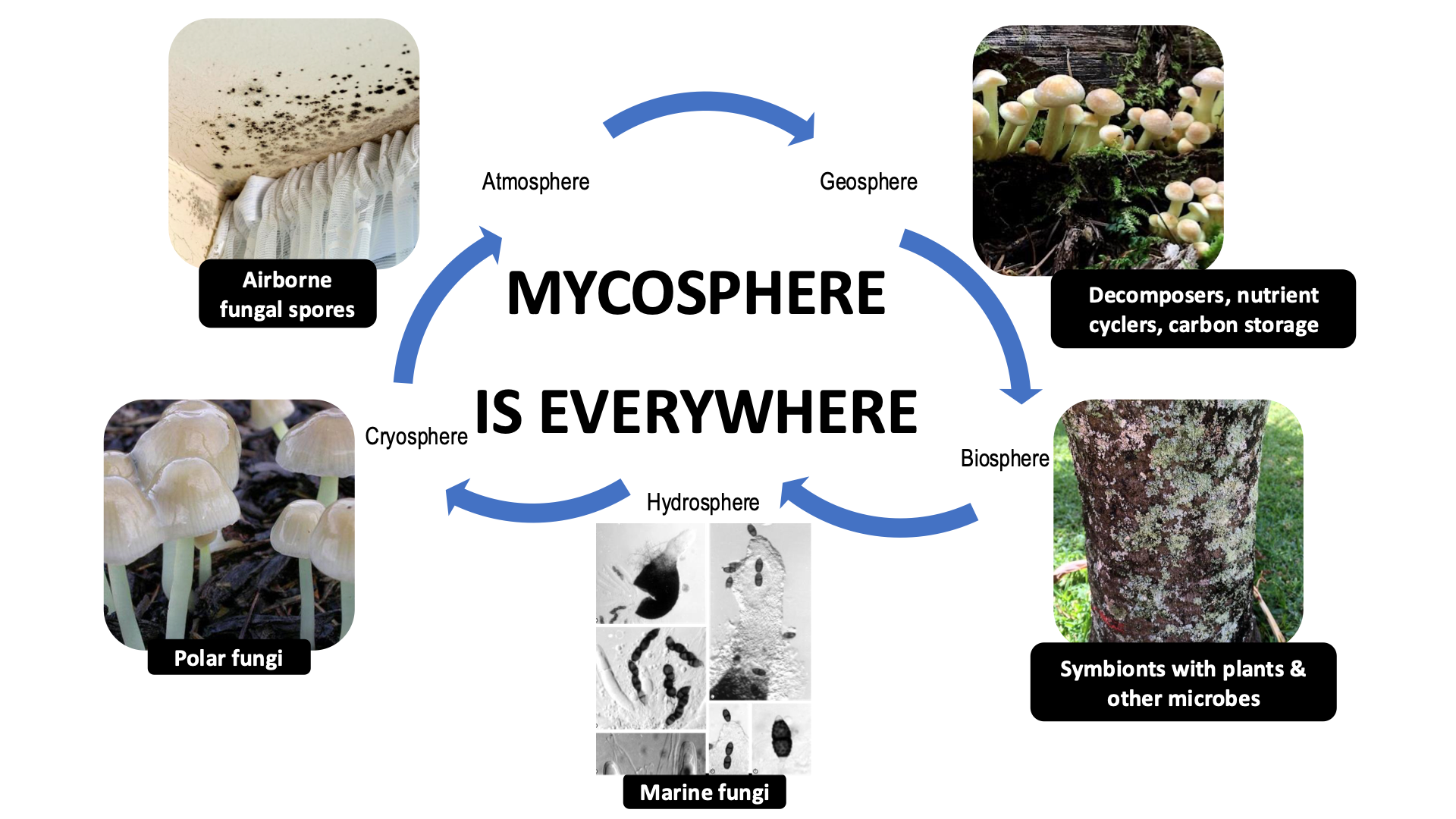
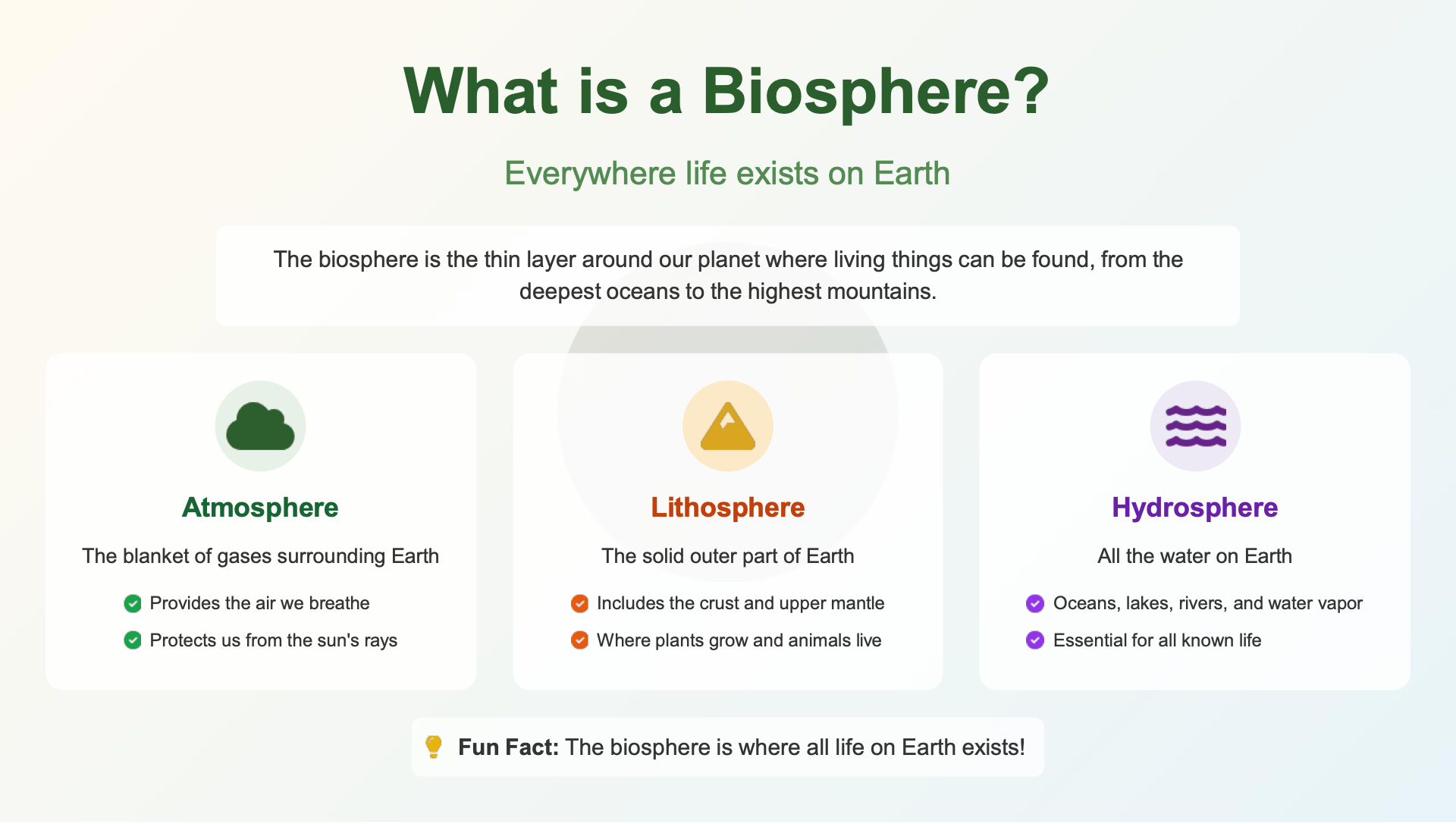
What is Biosphere?
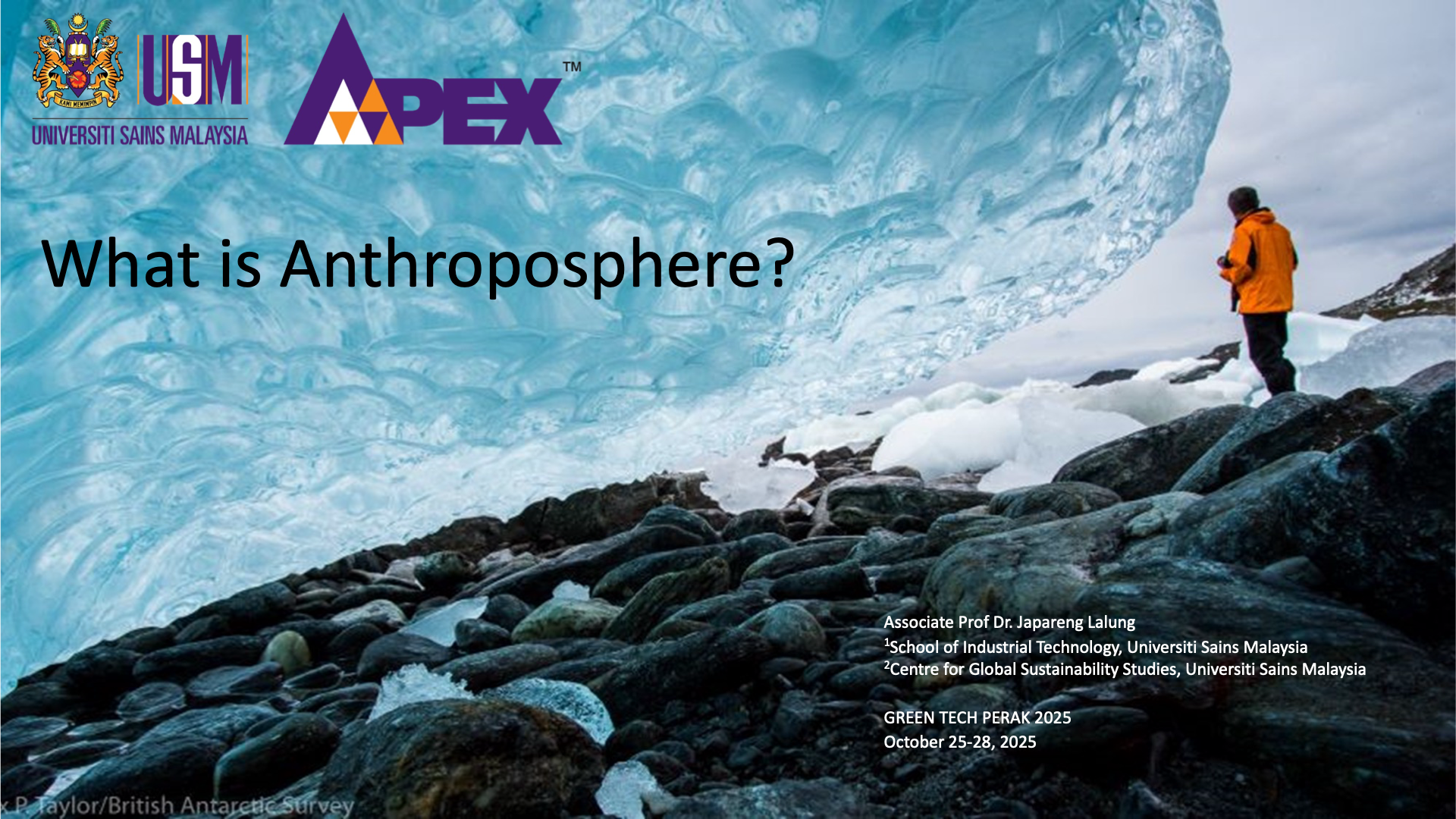
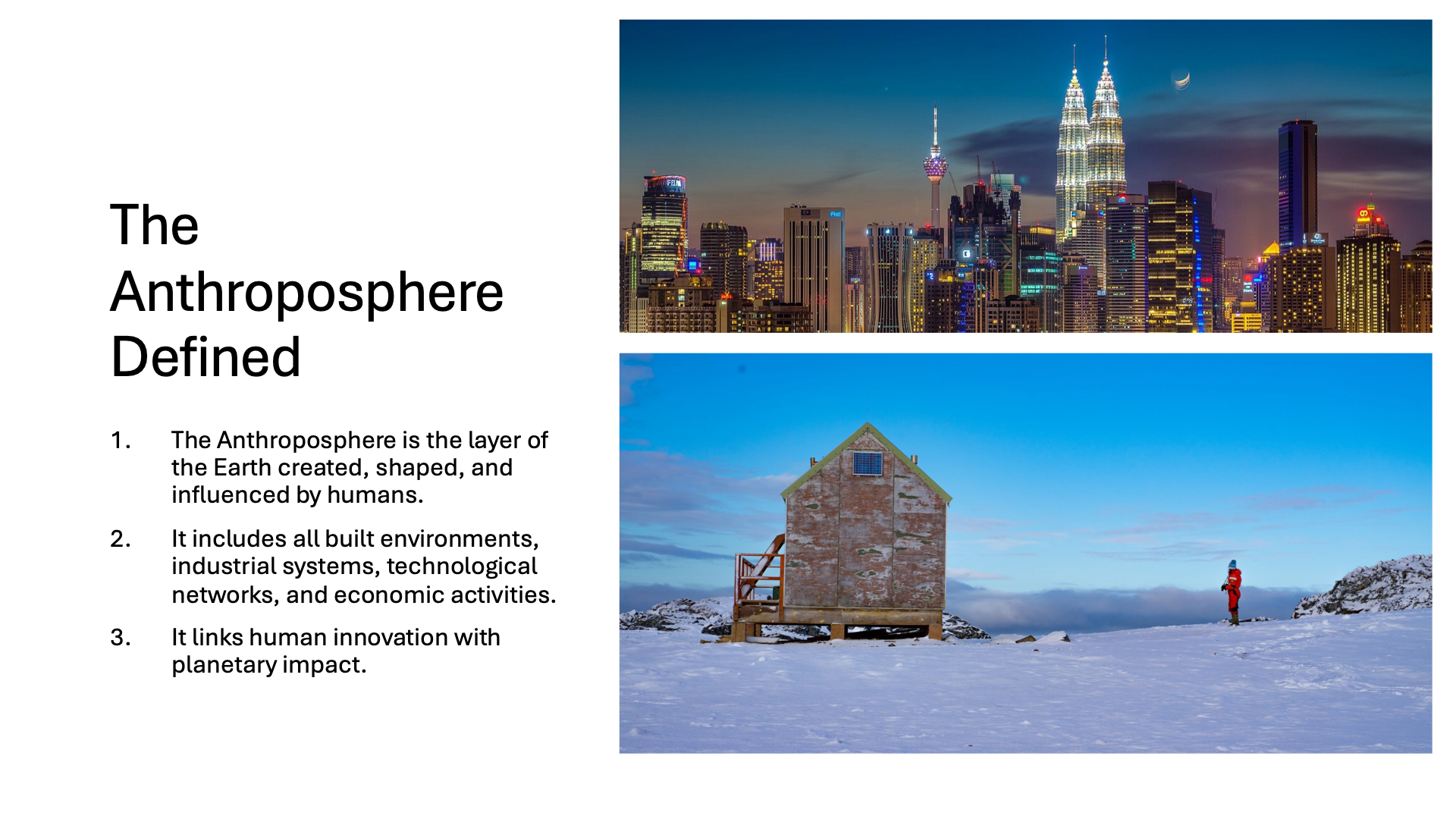
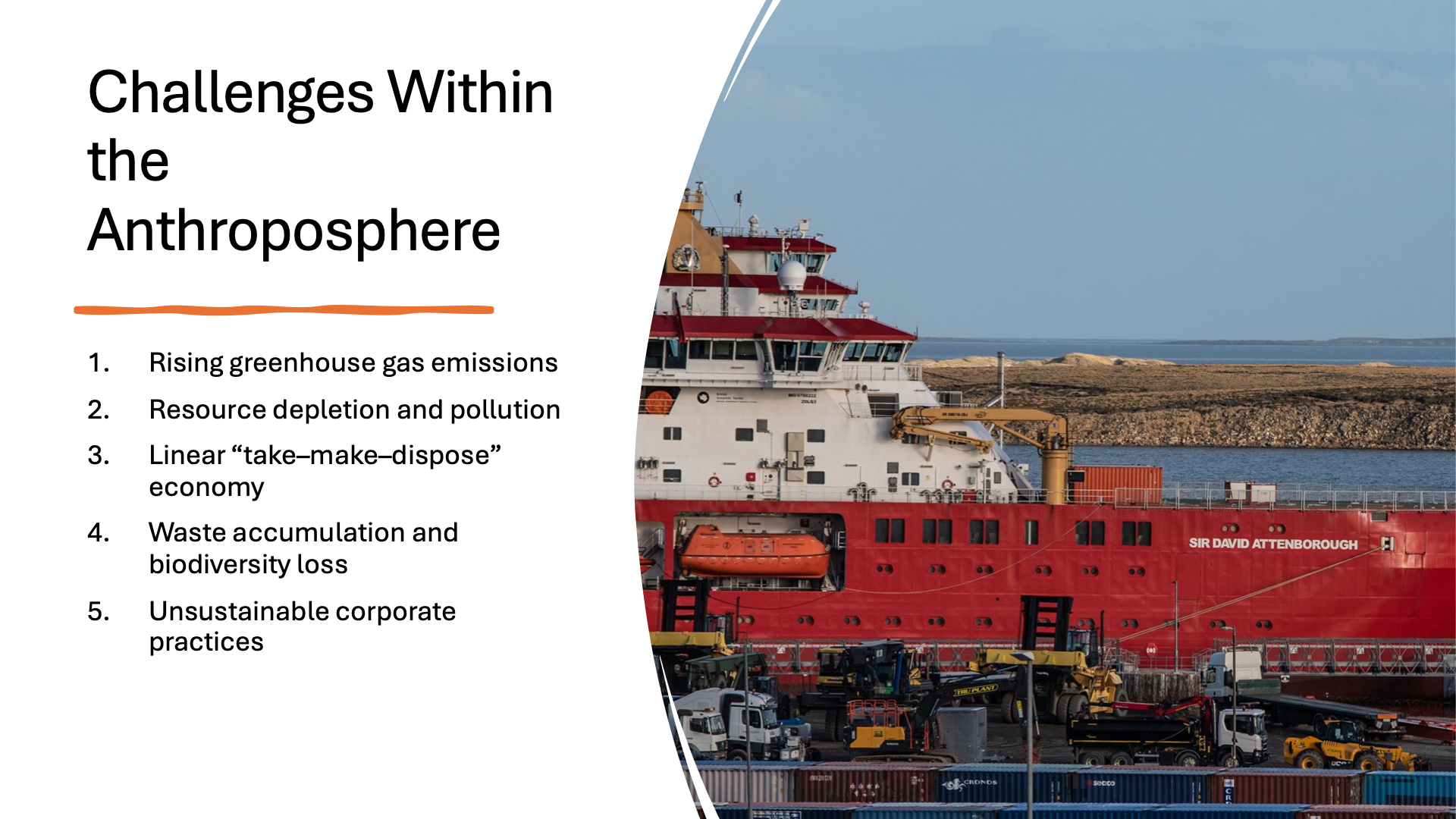
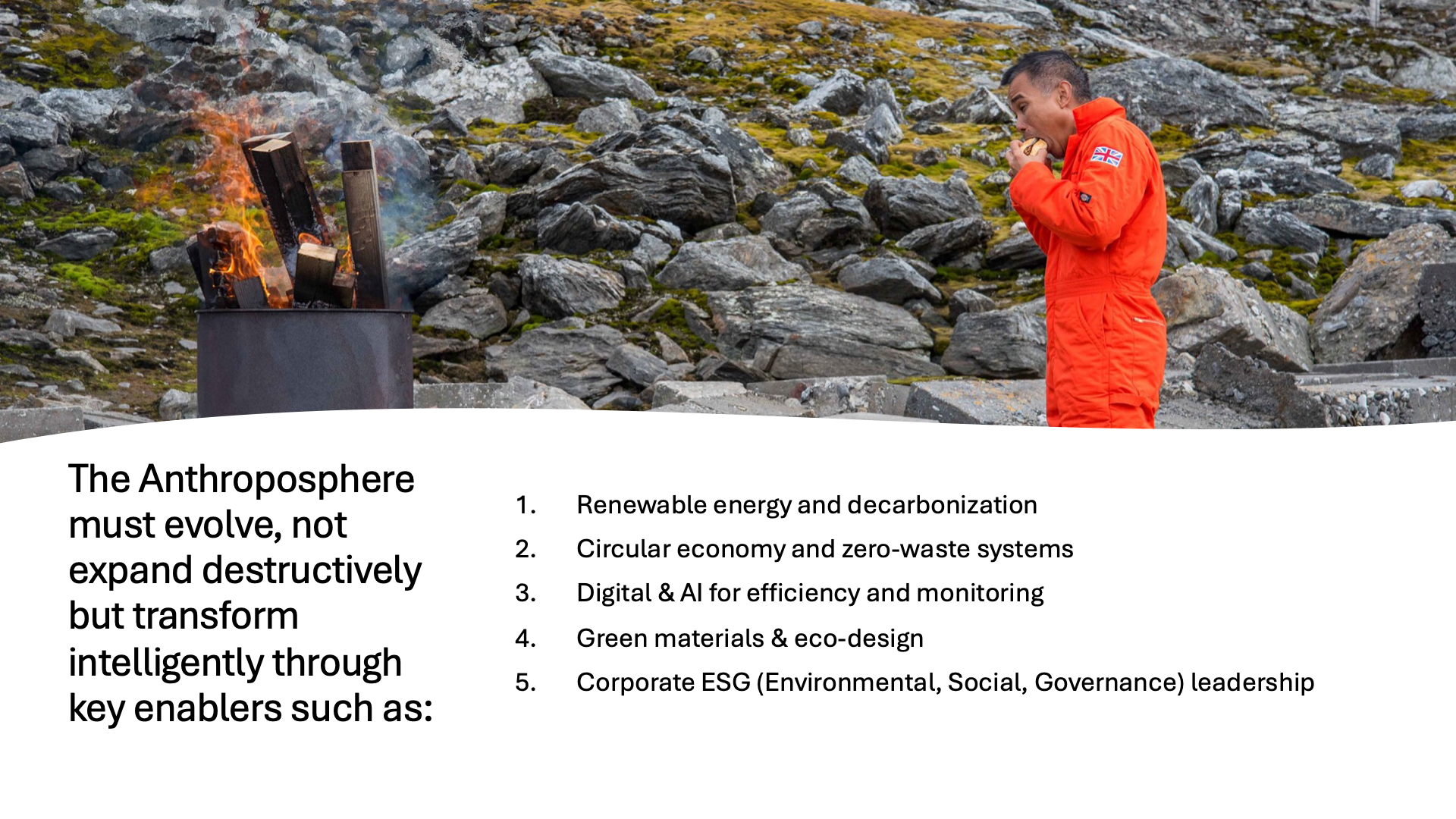
What is Anthroposphere?




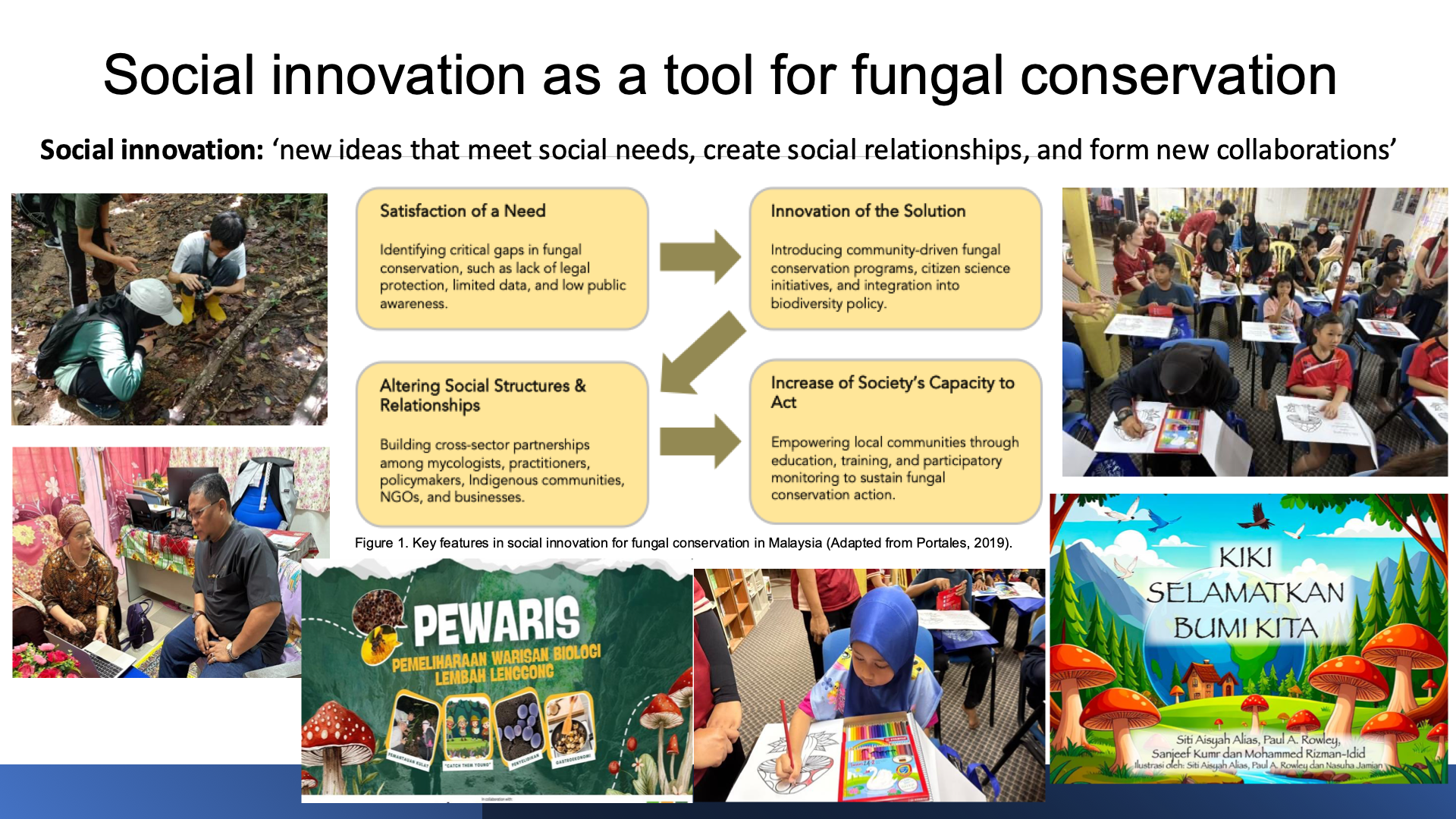

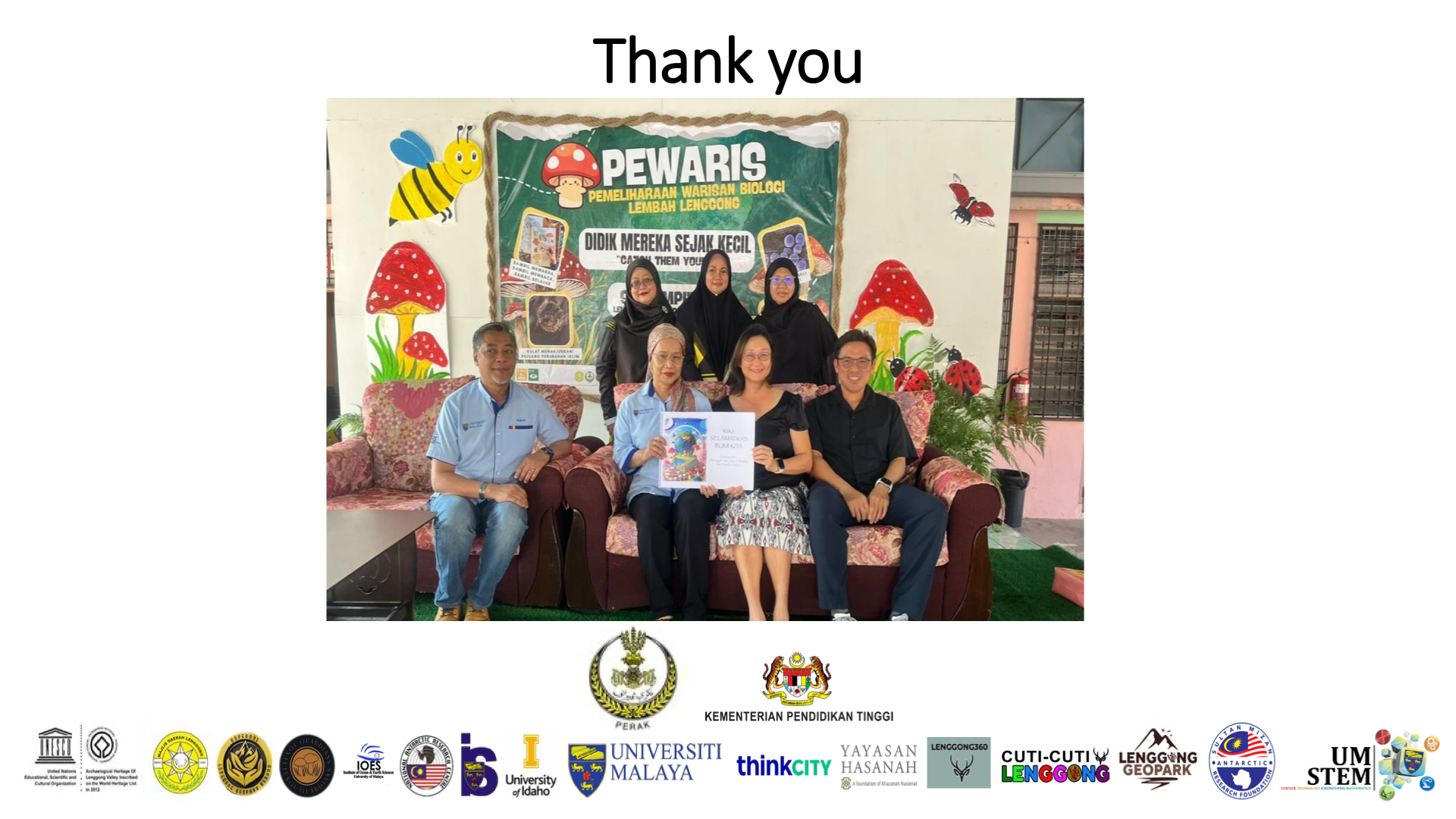

Prof. Dr. Siti Aisyah Alias
Professor of Marine Mycology
Director, National Antarctic Research Centre (NARC)
Deputy Executive Director, Institute of Ocean and Earth Sciences (IOES), Universiti Malaya
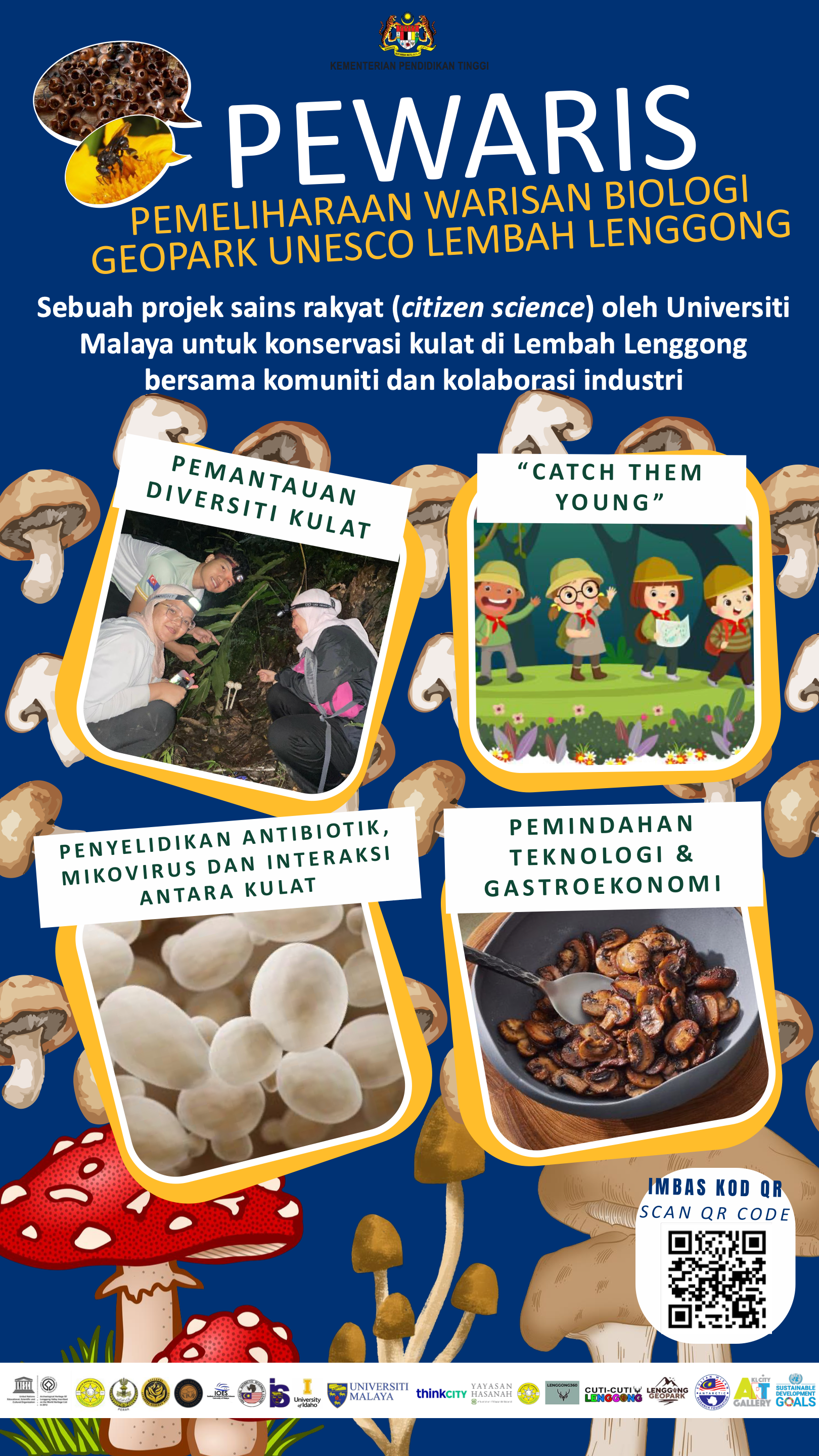
Prof. Dr. Siti Aisyah Alias is a leading Malaysian marine mycologist and a prominent figure in polar and marine fungal research, with more than two decades of distinguished academic and research contributions. She currently serves as Director of the National Antarctic Research Centre (NARC) and Deputy Executive Director at the Institute of Ocean and Earth Sciences (IOES), Universiti Malaya.
A graduate of the University of Portsmouth (PhD in Marine Mycology) and Universiti Malaya (BSc in Ecology), Prof. Siti’s pioneering work has significantly advanced global understanding of marine and polar fungal biodiversity, cold-adapted enzymes, and microbial biochemical adaptation in extreme environments. She has described over 20 new species of marine fungi and published more than 125 peer-reviewed articles and 28 scholarly books, including the authoritative Checklist of Fungi of Malaysia and Marine Fungi from Mangroves of Malaysia.
Her current research under the Higher Institution Centre of Excellence (HICoE) focuses on Latitudinal Differences in Microbial Response and Adaptation to Atmospheric Changes. She leads multiple interdisciplinary projects that integrate omics technologies, microbial ecology, and climate science to explore how fungi adapt to global environmental changes.
Prof. Siti has participated in eight international polar expeditions, collaborating with leading institutions such as the Australian Antarctic Division (AAD), British Antarctic Survey (BAS), Instituto Antártico Chileno (INACH), Korean Polar Research Institute (KOPRI), and others. Her extensive international network has been instrumental in establishing Malaysia’s presence in Antarctic research and policy development.
A passionate advocate for STEM education and women in science, she spearheaded outreach initiatives such as Malaysia’s Journey to the Ice: Women in Antarctica, inspiring the next generation of scientists. She also contributed to the drafting of Malaysia’s Antarctic Bill and national Polar Roadmap, aligning national policy with the Antarctic Treaty System.
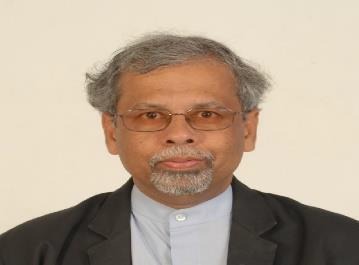
Dr. Koshy Philip
Research Associate (Professor)
Institute of Ocean & Earth Sciences (IOES) and
High Impact Research (HIR) Centre, University of Malaya
Dr. Koshy Philip is an accomplished microbiologist and biotechnologist with nearly four decades of experience spanning academia, research, and industry. Currently serving as Research Associate (Professor) at the Institute of Ocean & Earth Sciences (IOES) and the High Impact Research (HIR) Centre, University of Malaya, his work bridges microbial biotechnology, biochemistry, and sustainable development.
Dr Philip obtained his PhD in Microbial Biotechnology (1985), specialising in biochemistry, before beginning his research career at the University of Agriculture, Malaysia. He later contributed to major biodiversity and natural resource management initiatives in Sabah, East Malaysia, where he developed structural and strategic development plans promoting sustainable use of biological resources. His subsequent consultancy roles with the World Bank and Asian Development Bank focused on environmental impact assessments and biodiversity inventories across oil palm landscapes in Malaysia and Indonesia.
As Consultant Biotechnologist and Technical Manager at Orgacare Pharmaceuticals, Dr Philip advanced research on nutraceuticals and safe food production, overseeing projects across Malaysia, Australia, Southeast Asia, Hong Kong, and the United States. In 2000, he was awarded a U.S. State Department International Visiting Fellowship on Biotechnology & Sustainable Development, conducting research at several leading American institutions. He has also held Visiting Scientist appointments at the University of Otago, New Zealand, and collaborates internationally with the Lawrence Berkeley National Laboratory and the University of Iowa on antimicrobial peptide research.
In 2004, Dr Philip joined the University of Malaya as an Associate Professor at the Medical and Science Faculties, teaching and researching in Molecular Medicine, Pharmaceutical and Industrial Microbiology, and Biotechnology in Human Health. He has led multiple High Impact Research (HIR) and Fundamental Research Grant Scheme (FRGS) projects, including recent studies on the human gut microbiome and gastrointestinal health, published in 2023.
Dr Philip has supervised numerous PhD and MSc students, published extensively in Web of Science-indexed journals, and serves as a reviewer for tier-one journals in microbiology and biotechnology. His innovations have led to patented technologies, including a prototype for extending the shelf life of fruits and vegetables developed through the University Malaya Deep Technology programme.
Beyond academia, he has contributed to the Malaysian Microbiology and Organic Agriculture Standards under the Standards and Industrial Research Institute of Malaysia (SIRIM) and plays an active role in biosafety standard development at the University of Malaya. Recognised for his scientific and educational contributions, he has held Visiting and Adjunct Professorships at Lincoln University (New Zealand) and UCSI University (Malaysia).
Dr Philip continues to drive industry–university collaborations focused on biotechnology for sustainable agriculture, including projects on soil microbiomes and plant health under Good Agricultural Practices (GAP). His multidisciplinary expertise exemplifies the integration of science, innovation, and sustainability towards improving human and environmental health.












Dr. Japareng Lalung,
Associate Professor,
Universiti Sains Malaysia
Dr Japareng Lalung is an Associate Professor at the School of Industrial Technology, Universiti Sains Malaysia (USM), and serves as the Coordinator of the Regional Centre of Expertise (RCE) Penang (2021–2027), hosted by the Centre for Global Sustainability Studies (CGSS), USM. He holds an honours degree from Universiti Malaya, a Master of Science in Water Science, Policy and Management from the University of Oxford, and a PhD in Environmental Microbiology from the University of Leeds.
With a multidisciplinary background spanning environmental microbiology, sustainability science, and water resource management, Dr Lalung’s academic and research pursuits bridge scientific innovation with sustainable development. Before joining academia, he managed the scientific monitoring of Lake Putrajaya and its wetlands, and served as a water resources manager at Puncak Niaga Sdn. Bhd.
At USM, Dr Lalung teaches courses such as Environmental Impact Assessment, Environmental Microbiology, and Environmental Management. His research focuses on toxin-producing cyanobacteria in drinking water reservoirs and microbial ecology across tropical and polar environments. He has conducted research in Malaysia, Indonesia, the United Kingdom, Kazakhstan, Kyrgyzstan, and Antarctica, participating in British Antarctic Survey expeditions in 2015, 2016, and 2023.
Dr Lalung’s work contributes to advancing global understanding of microbial adaptation, planetary health, and the role of education in sustainable development.




Dr Ruth Naomi Manuel
Postdoctoral Researcher
Universiti Malaya
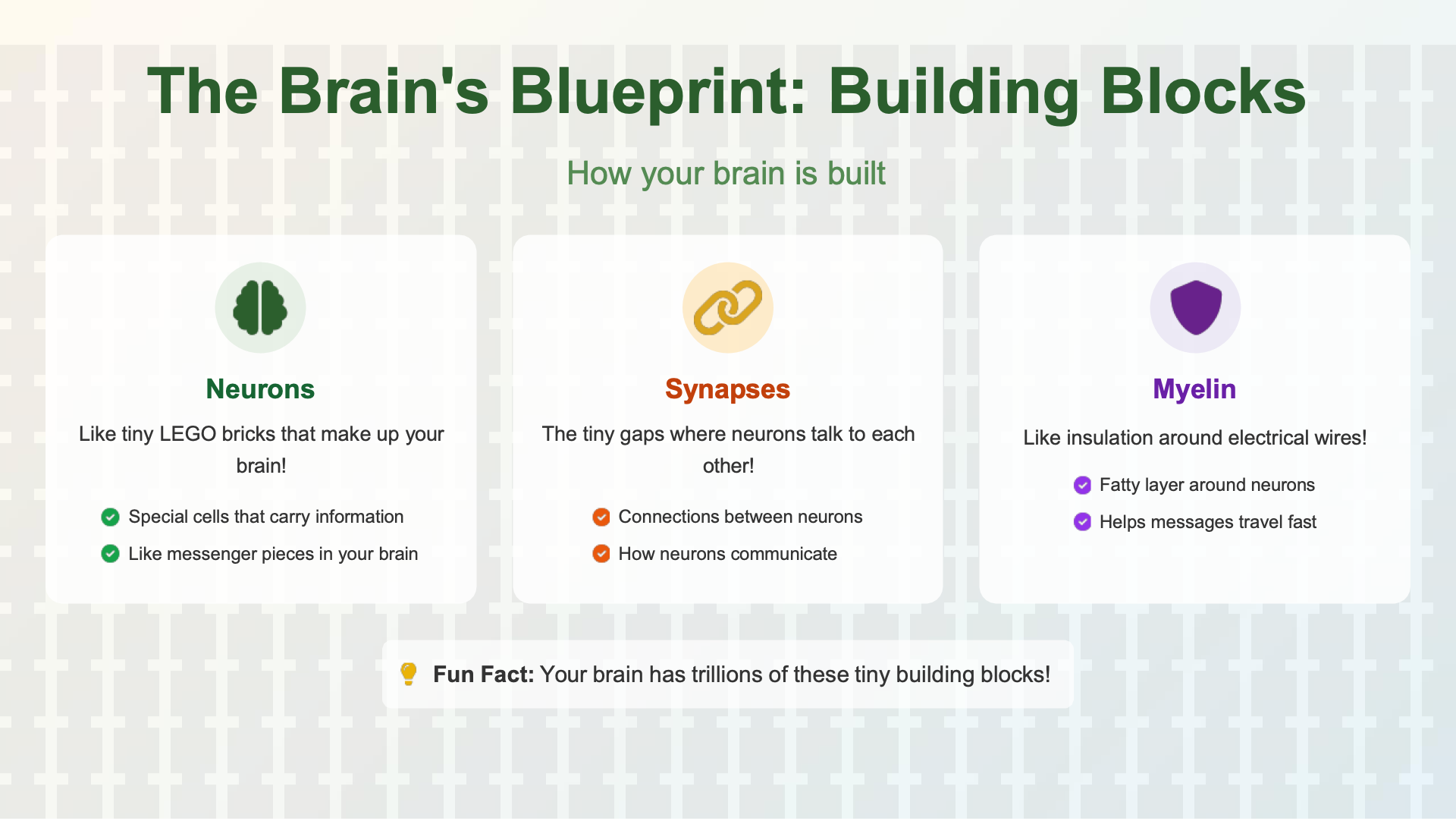
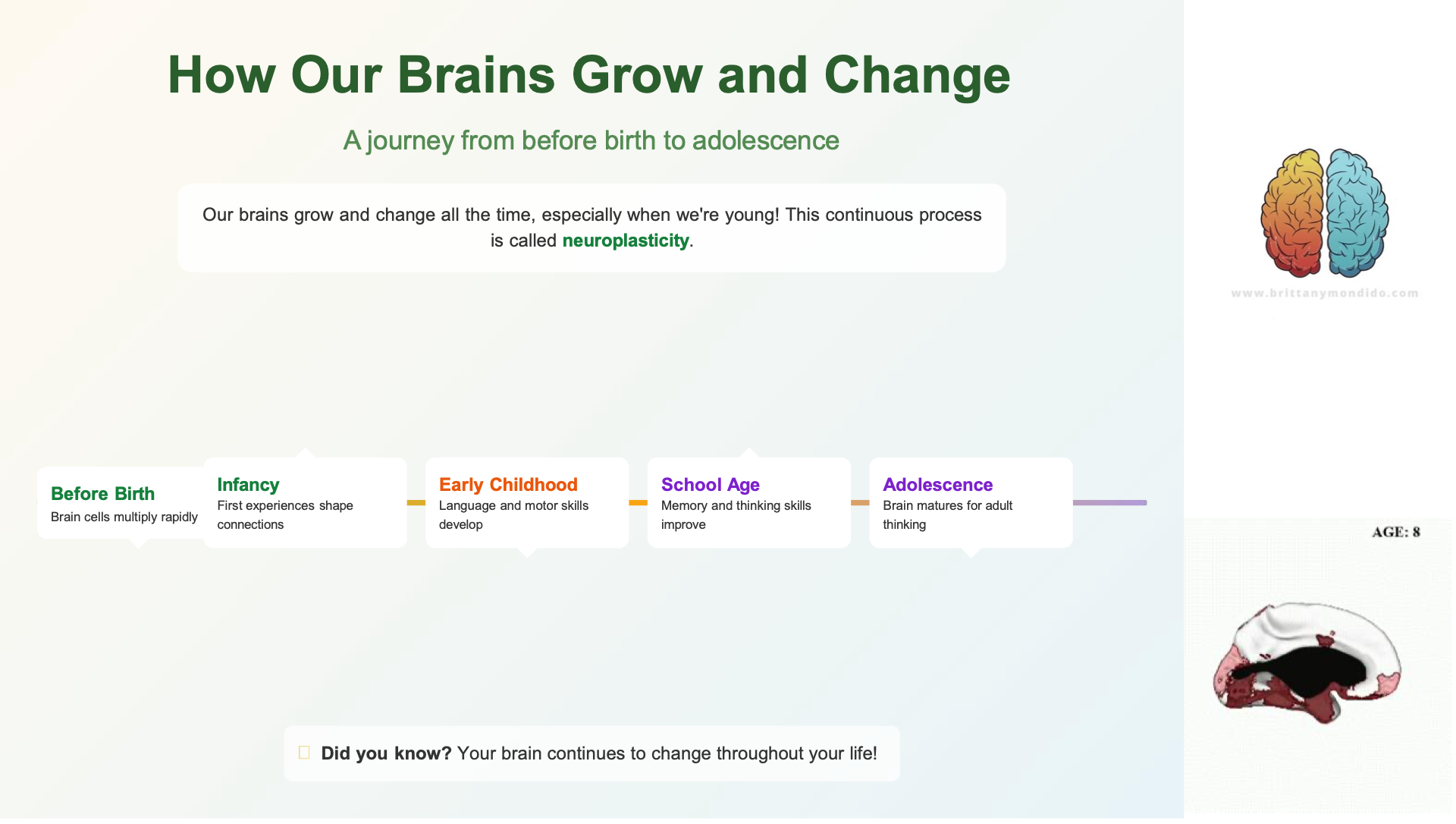
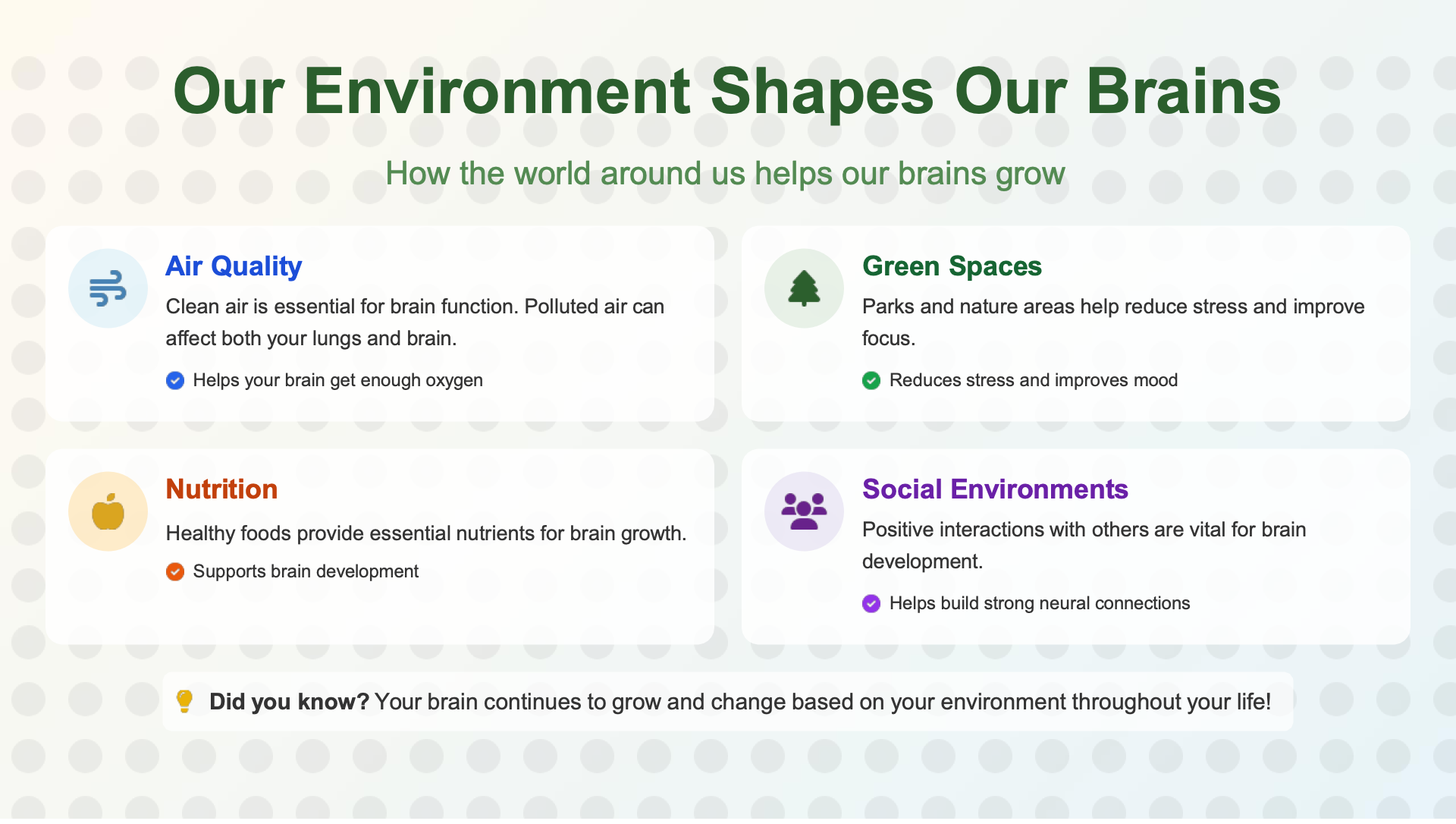
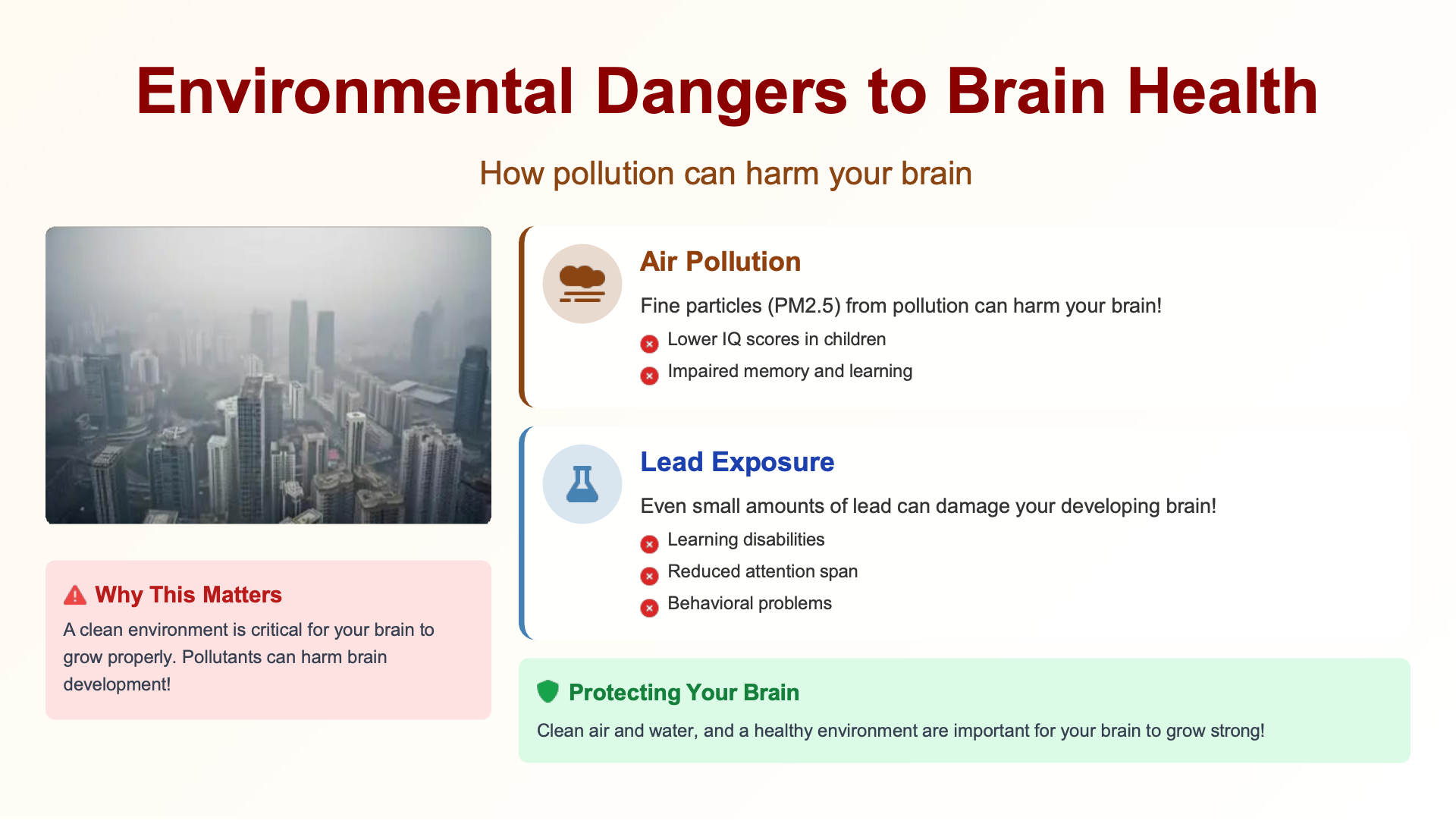
Dr Ruth Naomi Manuel is a researcher and educator who currently serves as a Postdoctoral Researcher at the University of Malaya (UM). She completed her PhD in Human Physiology (Neuroscience) at the University Putra Malaysia (UPM) after an intensive 2½-year research journey.
Her doctoral work examined brain protein regulation and maternal obesity, offering valuable insights into the complex neurophysiological mechanisms that influence maternal and developmental health. Through this research, Dr Manuel contributes to a growing body of knowledge that bridges neuroscience with public health and wellbeing.
Combining academic rigour with practical insight, she advocates for research that drives real-world transformation and supports inclusive learning and collaboration. Beyond her research, Dr Manuel is passionate about mentorship, science communication, and advancing women in STEM, fostering spaces where emerging scholars can thrive.
Knowledge Booth Posters



Universiti Malaya
INSTITUTE OF OCEAN & EARTH SCIENCES
Vision
To be at the forefront in generating and disseminating scientific ideas and knowledge in marine and maritime research for sustainable utilization and management of the marine environment
Mission
To seek scientific understanding and to promote best management practices in the utilization of the marine environment, ocean law and maritime affairs, through multidisciplinary research, education and training
https://ioes.um.edu.my/
NATIONAL ANTARTIC RESEARCH CENTRE
Yayasan Penyelidikan Antartika Sultan Mizan (YPASM) has signed a tripartite Memorandum of Agreement (MoA) with University Malaya and University Malaysia Terengganu to jointly host the National Antarctic Research Centre (NARC) on 18 October 2022.
NARC serves as a centre to coordinate research activities of the Malaysian Polar community and is under the purview of YPASM. Besides coordinating research among the Malaysian Polar researchers, some of NARC’s roles and functions include expanding its network with international bodies related to Polar research, organizing conferences/symposiums/seminars/training/talks to benefit the Malaysian polar community and any other functions assigned by YPASM from time to time as agreed by NARC.
Role And Function Of NARC
- Coordinating Polar research activities
- Establishing networking and collaboration
- Identifying and coordinating research funds/projects
- Planning and organising events e.g. conference, symposium, seminar, training, outreach activities
- Advising Malaysian Government on polar related policy and governance through YPASM
Vision
NARC is committed to addressing climate change issues, conserving the ecosystem, and strengthening polar international cooperation
Mission
Undertaking excellent research to strengthen Malaysian polar involvement through streamlining coordination, promoting an inclusive work environment, and acknowledging the interest of stakeholders.
Objectives
Promoting and sustaining Malaysia’s presence as a significant player in Polar research.
Facilitating and coordinating Malaysian scientific efforts in the areas of global sciences
Fostering Malaysian polar researchers’ capability and capacity at the national and international level

CENTRE FOR GLOBAL SUSTAINABILITY STUDIES
Centre for Global Sustainability Studies (CGSS) is designed to work with all other relevant sections of USM, regional and international sustainability organizations, national and regional governments, private sector, civil society groups and NGOs to promote sustainable development, paying particular attention to the disempowered bottom billion.
Time and holisticism is of the essence. Accordingly, CGSS has built its foundation and made the crucial decision to take on roles in sustainability. The time has now come for CGSS to enter the next phase of its sustainability mission, in producing tangible impacts and becoming a major player in the field of sustainability.
The commitment and clear understanding of CGSS’ vision and mission collectively form the Centre’s biggest assets toward achieving this role, and although affiliations and cooperation with other entities are warmly welcomed, it is nonetheless CGSS’ mission to ensure the attainment of its sustainability goals. Such lofty aims require tremendous amounts of team effort, passion and support from every individual on the team. That being said, individual efforts in fostering and nurturing sustainability are recognized and encouraged as fundamental in creating team success.
The Centre also recognizes that a balanced environment consisting of strong software, hardware and financial support is crucial in propagating an effortless and lively work environment. Accordingly, new innovative ideas leaning toward cost-effectiveness will be a key feature of this work environment i.e., the satisfying of livelihood needs for all forming the core of the Centre’s every decision.
The Centre’s research will be guided by a finely-tuned balance between state-of-the-art developments in Science and Technology as well as the needs facing Humanity today. It is only natural therefore that local practices are included in the move toward enhancing a global shift with education, training, multimedia and lobbying functioning as Agents of Change.
This is a Community-for Community Knowledge Repository
emergenced from BB ROSEHut Pocket Talks
for GREEN TECH PERAK 2025
by PKPNPk (Perak State Economic Development Corporation)
to build a Learning & Innovation Centre for Communty Earth Stewardship
to kickstart a Micro Rainforest with Perak Rainforest Species Collection
at Biosphere Garden at Bulatan Sultan Azlan Shah
7 KNOWLEDGE ZONES


#BulatanSultanAzlanShah
#ACallToLove
#TheStewardshipofGlocalCommons
#1000ROSEHuts
@bilberriesblue @theforestkeepersnet
 Bilberries Blue